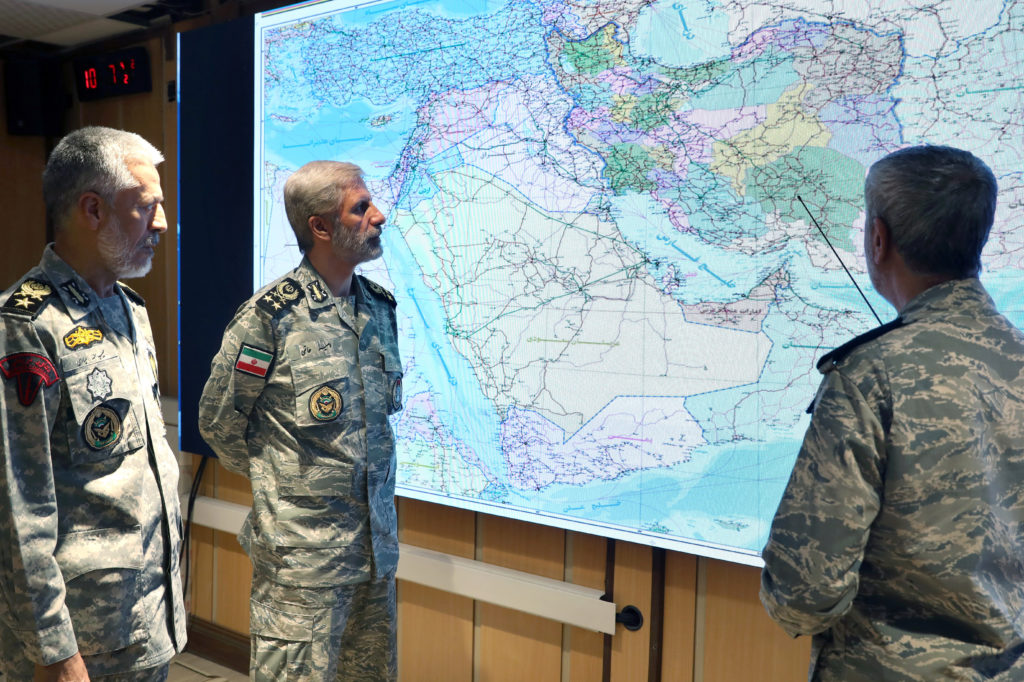
TEHRAN / WASHINGTON — As of Monday, March 2, 2026, the Middle East remains on edge as the military confrontation between a United States-led coalition and Iran enters its third day of intensive operations. The escalation, which began late last week, has already fundamentally altered the regional security landscape and triggered a wave of retaliatory strikes across multiple countries.
👋 I found the secret to endless shopping! 🤫 Click https://temu.to/k/e10a6x53oc0 to get a 200 KM coupon pack and use acw786838 for 30% OFF on the Temu app! 🛍️ It's like shopping in a bottomless pit - I never want you to stop! 😍
The Current Situation
The conflict, which many analysts are describing as a major regional crisis, intensified significantly over the weekend following the death of Iran’s Supreme Leader, Ali Khamenei, during joint US-Israeli air operations on February 28. In the days since, what began as a targeted campaign has rapidly expanded into a broader confrontation involving regional powers and key strategic infrastructure.
-
Hostilities Intensify: Over the past 48 hours, the conflict has spread well beyond Iranian borders. Iranian retaliatory strikes—utilizing drones and ballistic missiles—have impacted targets in the United Arab Emirates, Saudi Arabia, Kuwait, Qatar, and Bahrain.
-
Fronts Expanding: On Monday, a new front emerged as Hezbollah launched missiles and drones toward Israel, which responded with airstrikes in Beirut and southern Lebanon.
-
Humanitarian Impact: The Iranian Red Crescent Society has reported that at least 555 people have been killed in Iran across 131 cities since the onset of the strikes. These figures remain difficult to independently verify due to widespread internet blackouts and restricted movement within the country.
A Turning Point in Regional Diplomacy
The sudden shift in the conflict has stunned the international community. Just days before the operations began, indirect talks regarding Iran’s nuclear program were reportedly showing “substantial” progress, according to mediators in Oman. Those diplomatic efforts have since been effectively suspended.
Global powers have reacted with a mix of alarm and alignment. The UN Security Council held an emergency meeting over the weekend, where Secretary-General António Guterres expressed deep regret that opportunities for diplomacy had been “squandered.” Meanwhile, major Western capitals have issued statements condemning the latest Iranian retaliatory actions, while also urging all parties to prioritize de-escalation to prevent a total regional collapse.
🚀 Pomozite mi da zaradim odmah – samo jednim klikom!
Hello, friends! 👋 Join me in Theme Affiliate Program - No Payment Required! Just register through my link and I'll earn €17 instantly, 💰 PLUS, and you'll get free rewards! 🎉
🔗 https://temu.to/k/eozsgbhedu7 🔍 inn23300
Strategic Implications
The military campaign appears to be focused on three primary objectives: degrading Iran’s retaliatory capabilities, suppressing air defense systems, and disrupting command-and-control structures.
However, the conflict has already created severe logistical and economic ripples. The Strait of Hormuz—a crucial chokepoint for global oil supplies—has seen de facto restrictions on maritime traffic, causing global markets to react sharply to the uncertainty. Additionally, the targeting of energy infrastructure in the Gulf has led to temporary operational halts at major refineries, such as those in Ras Tanura, Saudi Arabia.
As the third day of the crisis unfolds, the trajectory of the war remains uncertain. With no clear timeline for a ceasefire and the regional security architecture under severe strain, international observers are closely watching for any signs of a diplomatic breakthrough or further military expansion.
